CARE FOR ALL YOUR DENTAL NEEDS
What We Treat
There are various reasons why patients seek dental care from our office or other local dentists. While procedures and treatments are fairly standard, every patient is unique, and you need a dentist who understands your individual needs. Our dental office provides all patients with a complete oral exam to ensure your oral health is set up for success. The best way to prevent serious symptoms is to catch them early and develop a treatment plan to address any issues. It's important to understand the dental conditions we treat and how we can help.
UNDERSTANDING DENTAL SYMPTOMS
Recognizing the Signs of Oral Health Problems

Snoring
Occurs when airflow through the mouth or nose is partially blocked during sleep, often due to misaligned teeth, excess weight, alcohol use, or sleep apnea. Treatment depends on identifying the underlying cause.
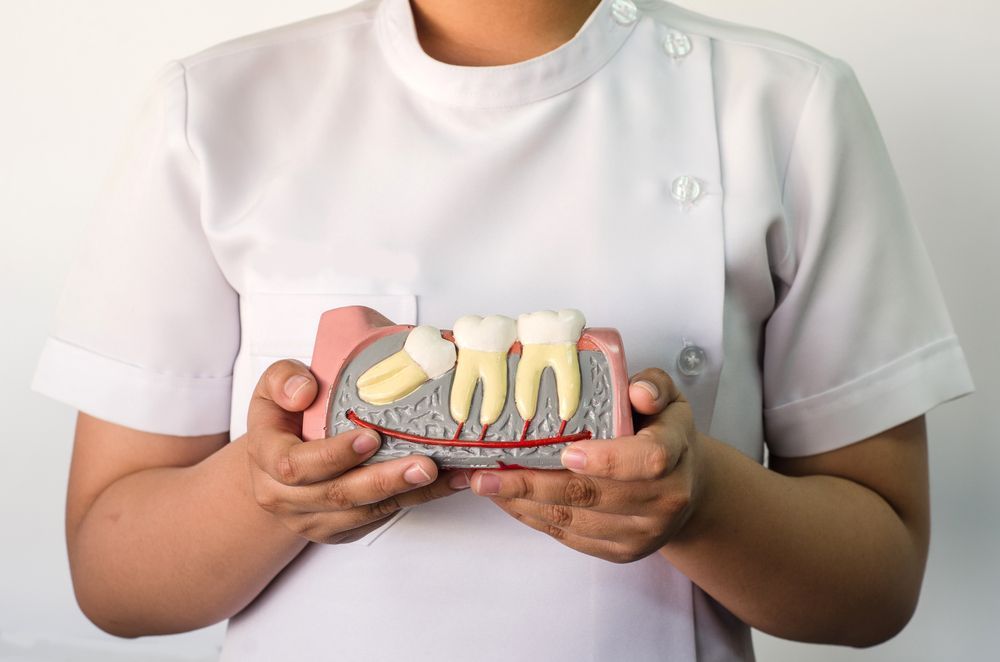
Wisdom Teeth
Usually emerge in the late teens or early twenties and may need removal to prevent crowding or jaw pain. Impacted teeth can require minor surgery, and recovery time varies depending on the level of impaction.
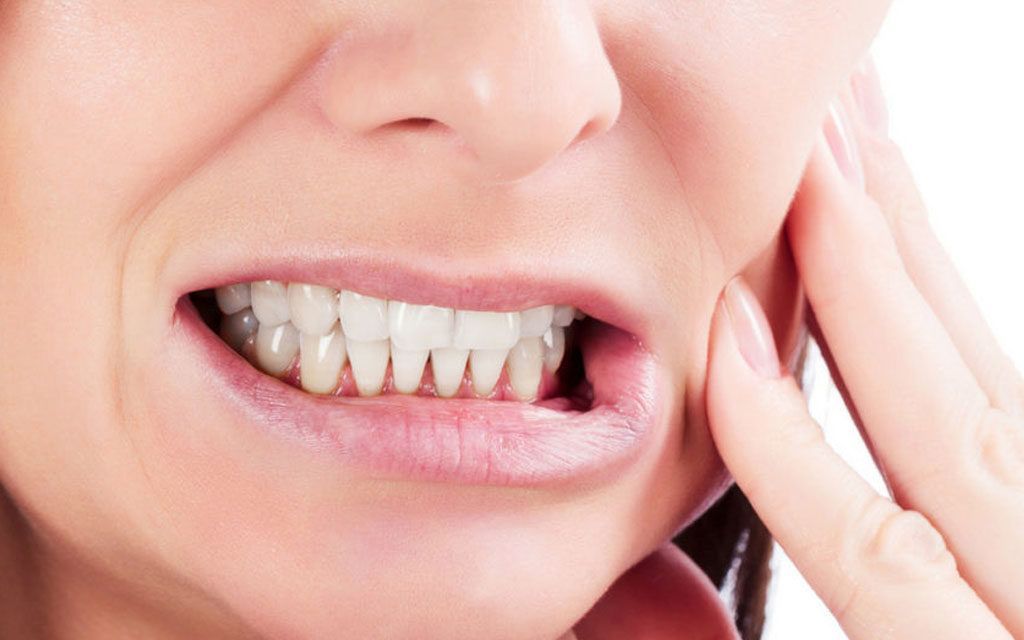
Grinding (Bruxism)
Involves unconscious clenching or grinding of the teeth, often at night. It can cause jaw soreness, headaches, and worn enamel. Custom night guards and stress management are effective preventive measures.

Bad Breath (Halitosis)
Often caused by poor oral hygiene, dry mouth, infections, or smoking. Consistent brushing, flossing, and mouthwash help reduce odor, but ongoing halitosis should be evaluated by a dentist for underlying issues.
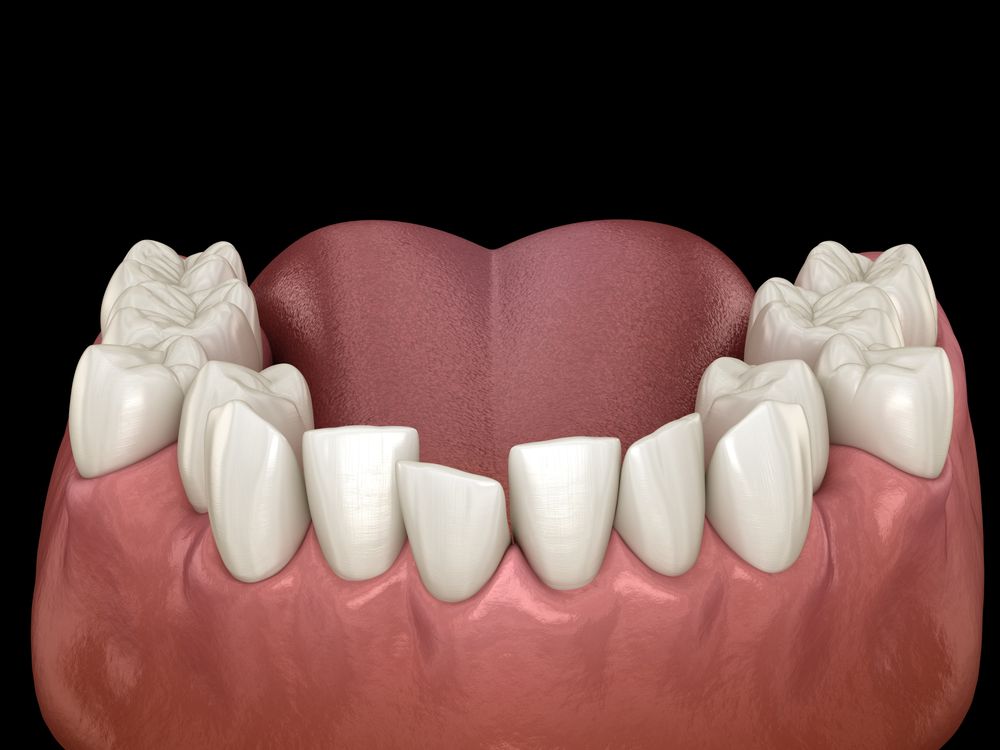
Misaligned Teeth
Can result from genetics, injuries, or prolonged childhood habits. Corrective options include braces, aligners, or extractions. Proper alignment improves bite function, oral hygiene, and overall smile appearance.

Bleeding Gums
Usually indicate early gum disease caused by plaque buildup and bacteria. Without treatment, it can progress to periodontitis. Gentle brushing, flossing, and professional cleanings help restore gum health.
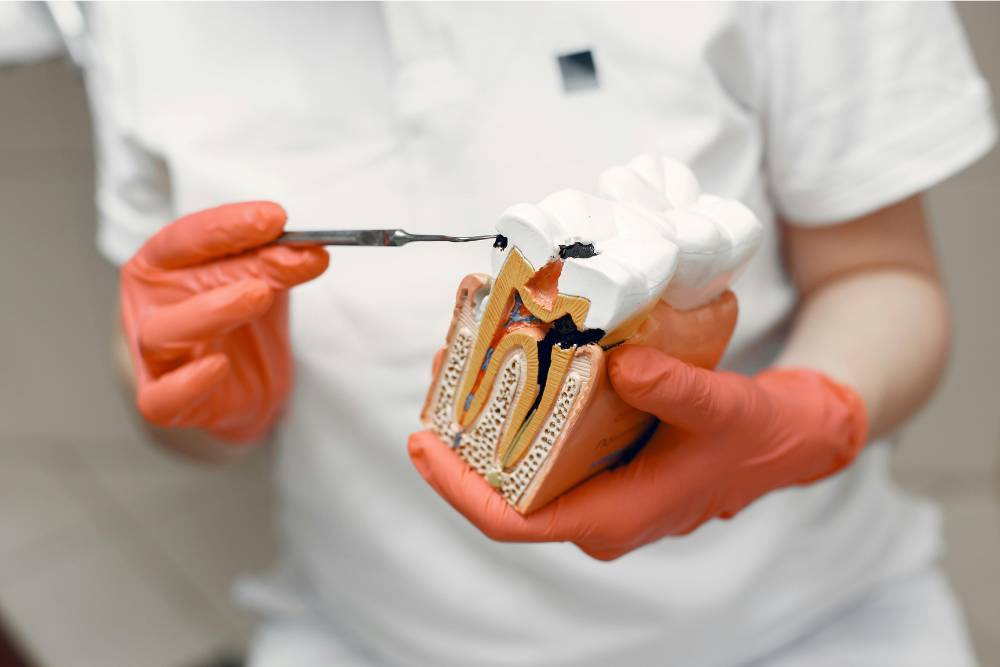
Cavities
Form when plaque buildup erodes tooth enamel, leading to decay and discomfort. Regular checkups, x-rays, and fluoride treatments help detect and repair cavities before they worsen.
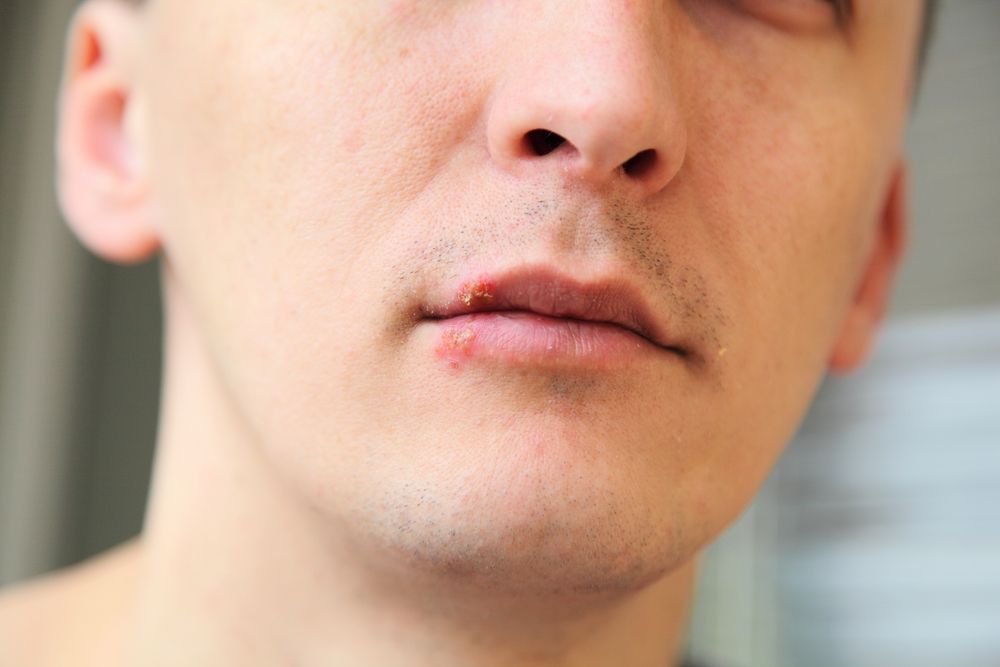
Cold Sores
Result from the herpes simplex virus, commonly triggered by stress or lowered immunity. Symptoms include tingling and blisters around the lips. Antiviral treatments help manage outbreaks and promote healing.
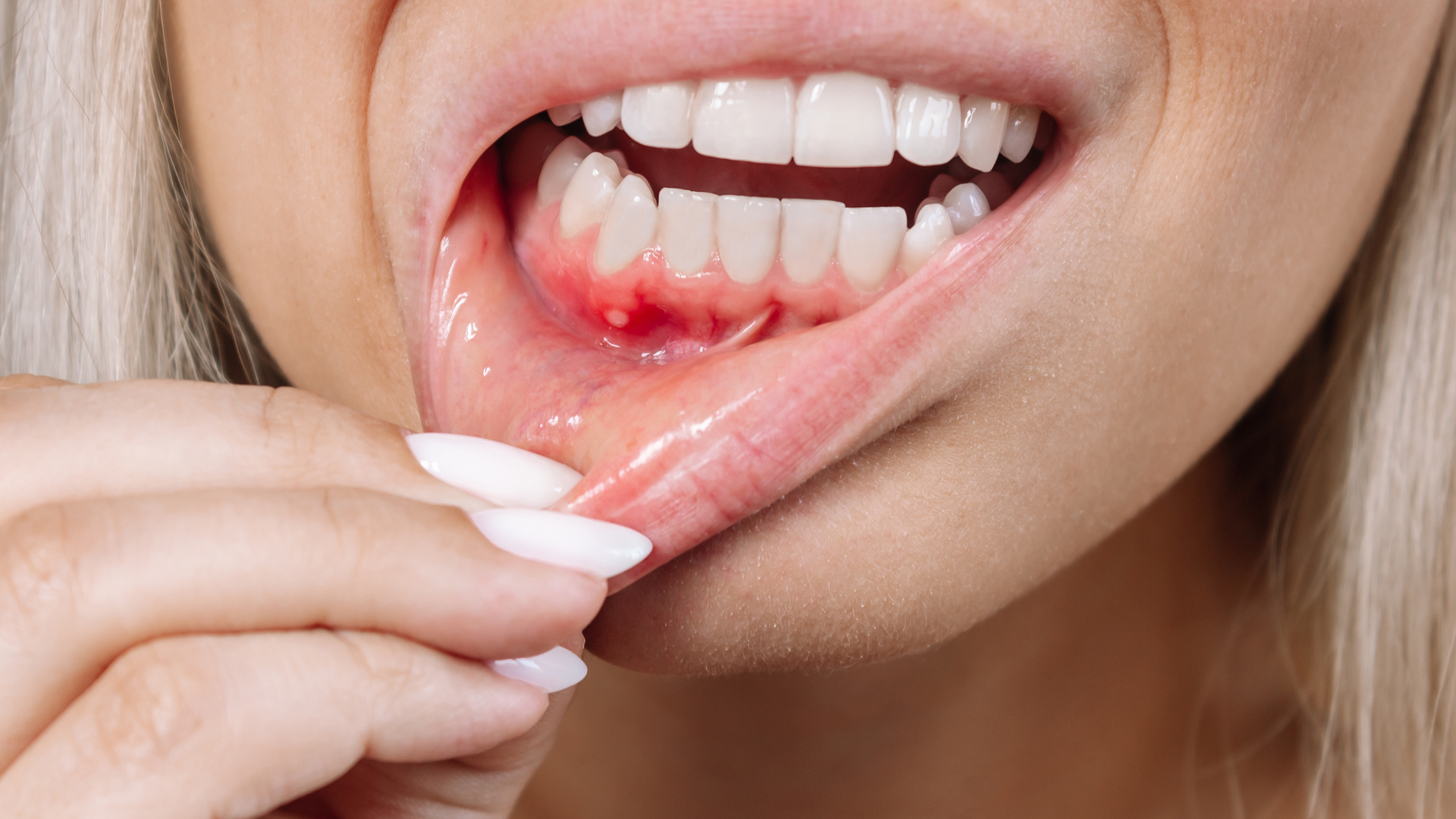
Gum Disease
Begins as mild gingivitis and can progress to periodontitis if untreated. Symptoms include red, swollen gums and bad breath. Early detection and consistent oral care prevent long-term damage.
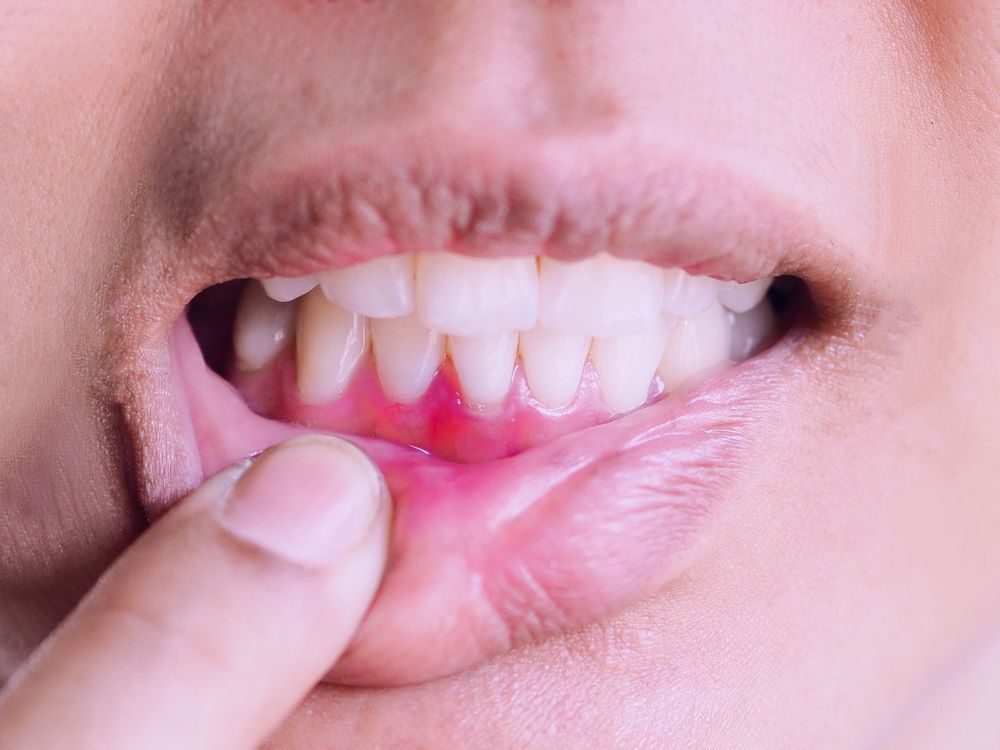
Gum Recession
Happens when gums pull away from teeth, exposing the roots and causing sensitivity. It can result from gum disease, overbrushing, or genetics.
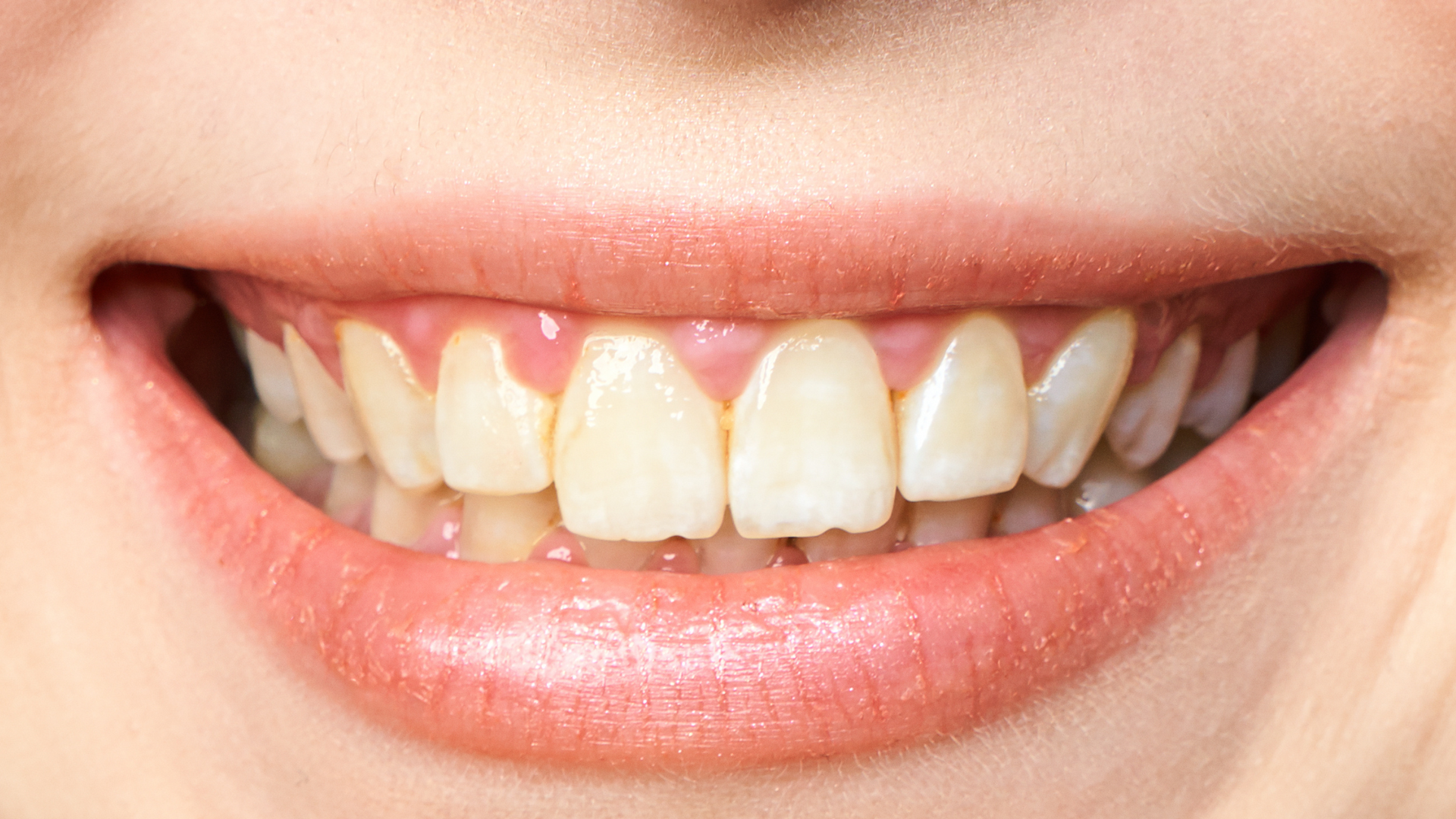
Stained Teeth
Often develop from diet, tobacco, medications, or aging. Professional cleanings and whitening treatments can remove stains, helping restore brightness and boost confidence.

Tooth Sensitivity
Can indicate enamel erosion, root exposure, or cavities. Desensitizing toothpaste and professional treatments can reduce discomfort and protect teeth from further irritation.