URGENT CARE
Dental Emergency
A dental emergency can happen unexpectedly and often causes significant pain or discomfort. Whether it’s a broken tooth, severe toothache, or mouth injury, prompt emergency dental care is essential to prevent complications and protect your oral health.
DENTAL EMERGENCIES
Emergency Dentist in North York
Dental emergencies can happen suddenly and often cause significant pain or discomfort. Whether you need toothache treatment, broken tooth repair, help for swelling, or dental trauma treatment, prompt care from an emergency dentist North York patients trust can help protect your oral health.
Our team focuses on quick, supportive care to diagnose the issue and restore your comfort. Using modern diagnostic tools and a calm approach, we provide urgent dental care North York patients need and guide you through the next steps.
Contact our office right away or submit the form to request an emergency dental appointment, urgent dentist appointment, or same day dentist visit as soon as possible.
Book an Appointment
Thank you so much for contacting our dental clinic. While we strive to respond to all inquiries right away, we may be away from the desk helping a patient or out of the office. We will do our best to reach out to you shortly.
Please note, if this is a dental emergency, it would be best to call our clinic as this is the fastest way to reach us (249) 201-7421.
Please try again later.
LIFELONG ORAL HEALTH
Prompt, Professional Care When You Need It Most
A dental emergency can happen at any time, whether it involves your teeth, gums, or jaw. If you need a north york emergency dentist, emergency dental clinic, tooth pain relief dentist, or urgent dental care near me, contact our office right away at (249) 201-7421 or use our online form.
While some dental emergencies are unavoidable, you can reduce your risk by following these prevention tips:
- Wear a mouthguard during sports and physical activities, especially contact sports like hockey, football, or boxing.
- Eat carefully and avoid biting into hard foods such as candy, nuts, or crunchy meats that can crack or chip teeth.
- Avoid chewing on non-food items such as nails or pens. Choose sugar-free gum instead to promote saliva flow and help clean your mouth.
COMMON DENTAL EMERGENCIES
Quick Relief for Sudden Dental Problems

Toothaches
Rinse your mouth with warm water and gently floss to remove food particles. For severe pain, contact a severe tooth pain dentist or toothache treatment near me.
Chipped Tooth
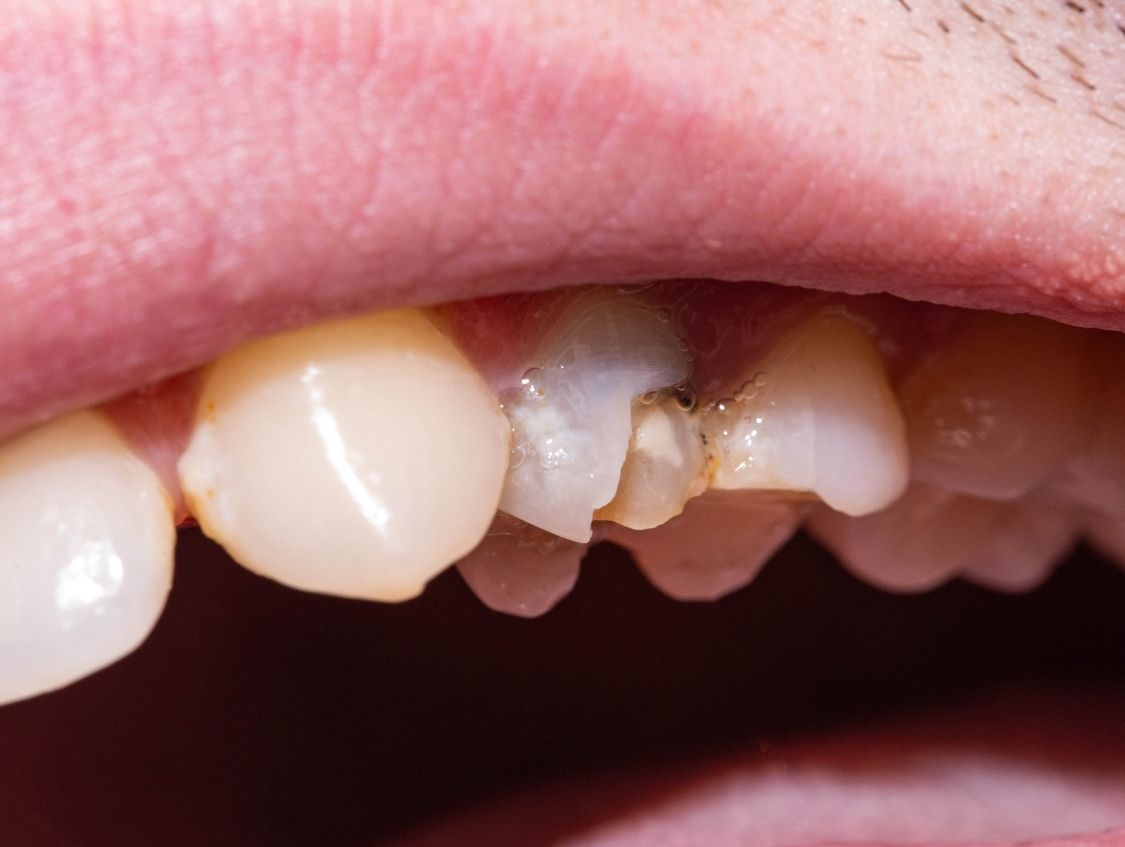
Rinse your mouth and broken pieces with warm water. Apply gauze to stop bleeding and call us for chipped tooth repair or emergency tooth repair North York.
Lost Filling
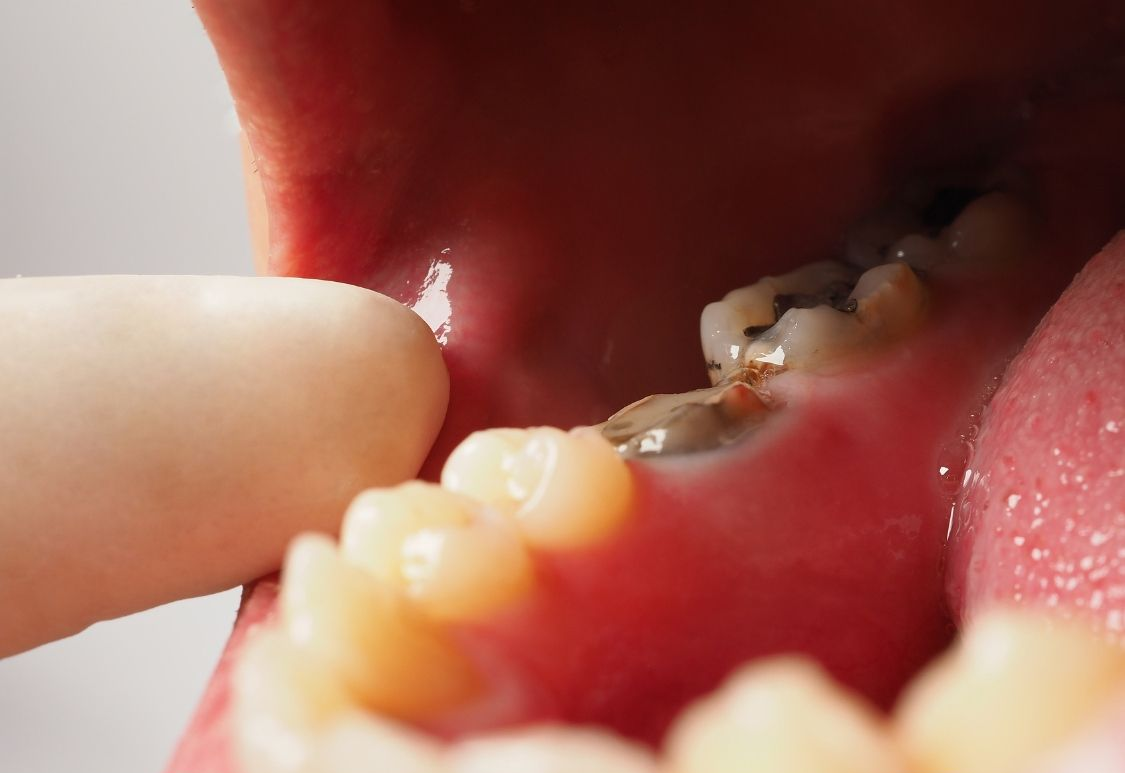
If a filling falls out, cover the exposed area with sugar-free gum or dental cement. Avoid chewing there and ask about emergency cavity treatment.
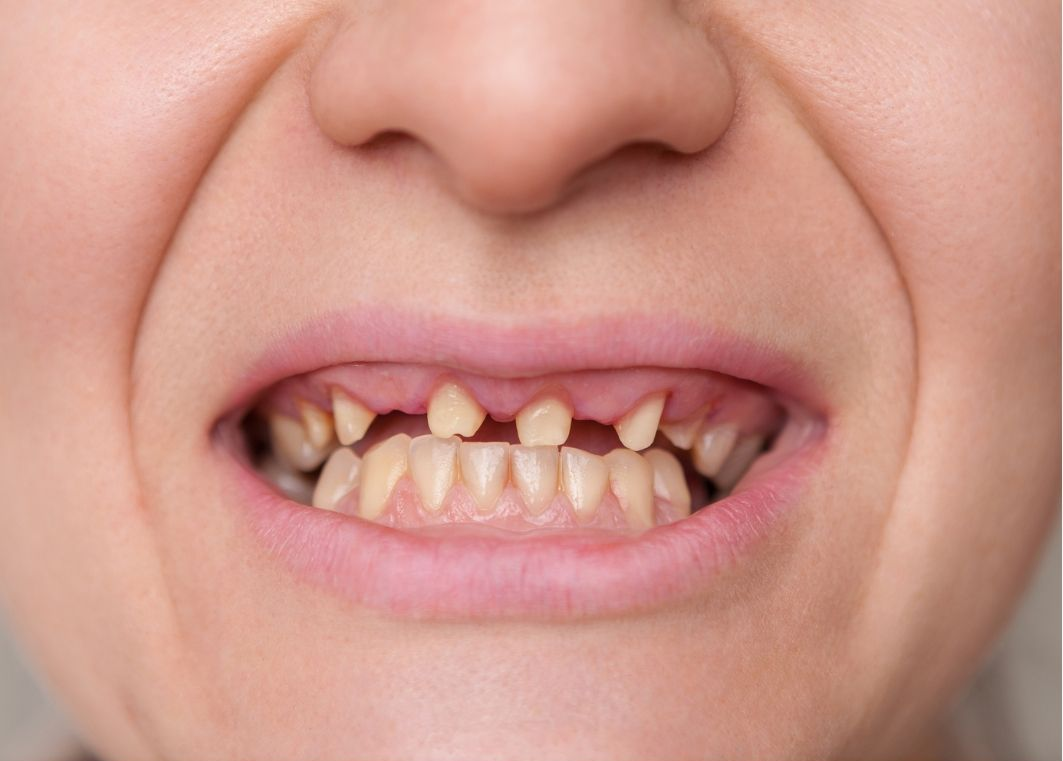
Lost Crown
If a crown comes off, apply a small amount of clove oil to ease sensitivity. Temporarily reattach it with dental cement or toothpaste until treated.
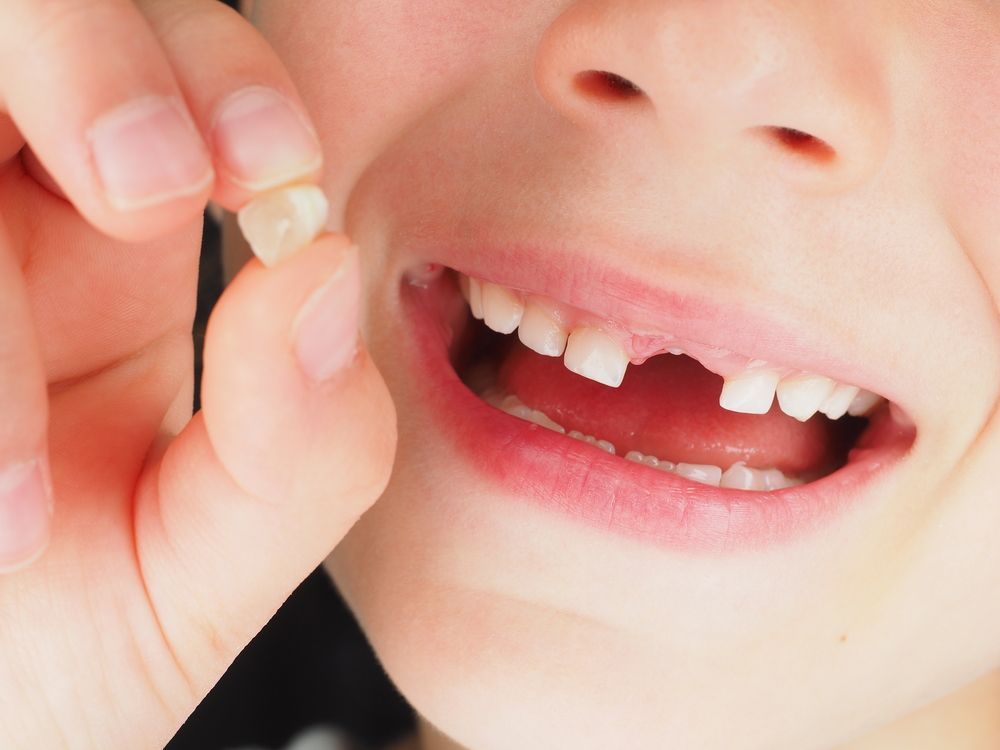
Dislodged Teeth
If a tooth is moved out of place, avoid touching or wiggling it. Apply a cold compress and seek emergency oral care right away for prompt support.
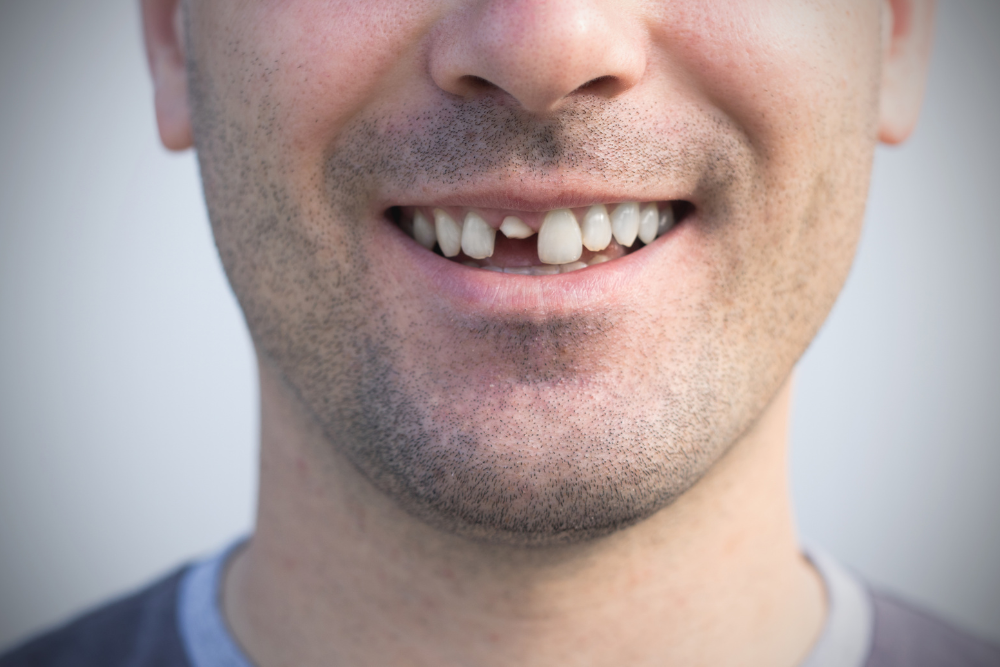
Knocked-Out Tooth
Handle the tooth by the crown and rinse gently with water. Place it back in the socket or keep it in milk until you see a knocked out tooth dentist.

Soft-Tissue Injuries
Rinse gently with mild saltwater and apply pressure with gauze to stop bleeding. Use a cold compress and ask about swollen gums treatment if needed.
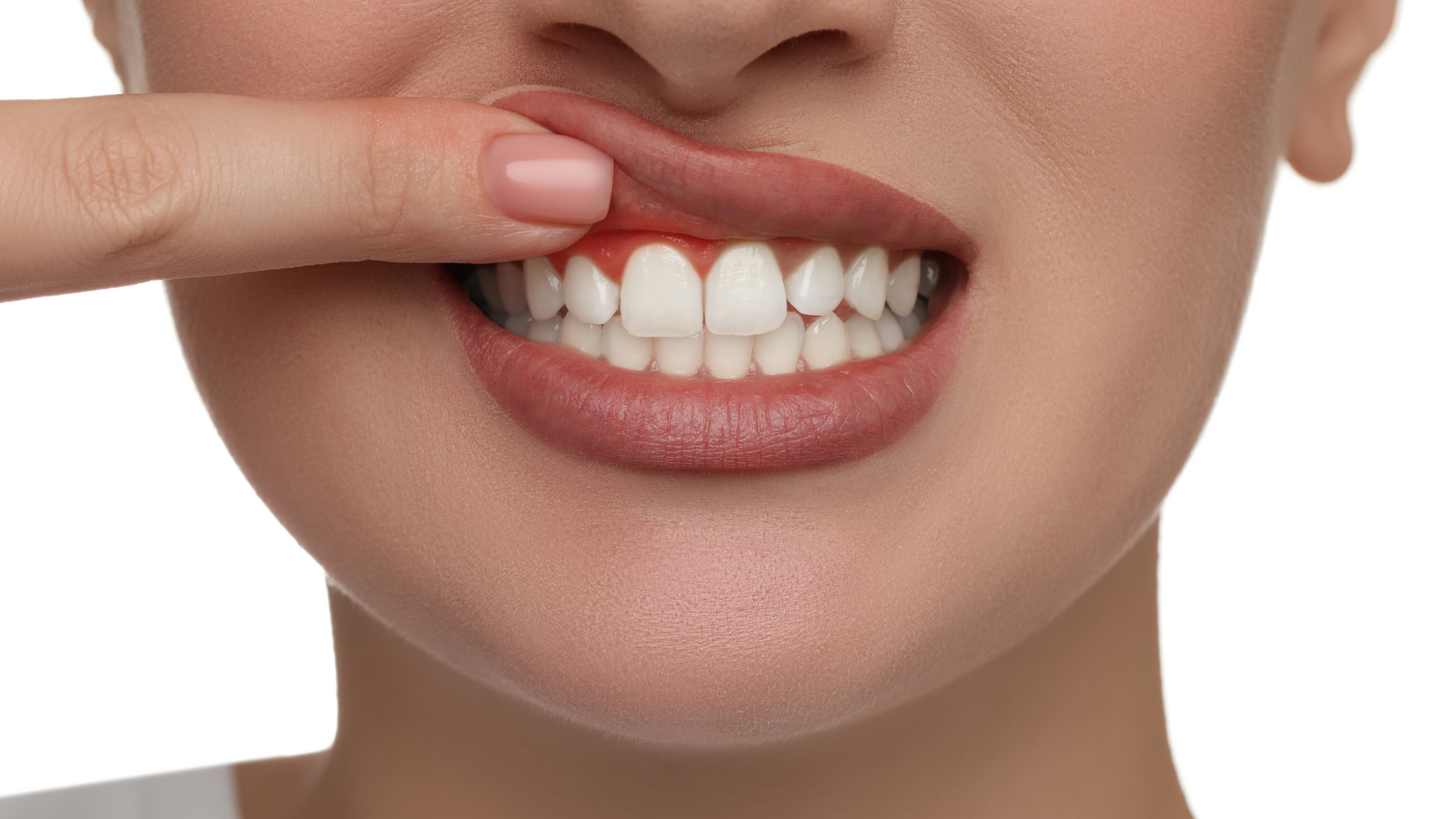
Abscesses
An abscess is a painful infection near the tooth root or gum line. Call us for dental abscess treatment, dental infection treatment, or an infected tooth emergency.

After an Extraction
Some soreness is normal after extraction. Bite on gauze to control bleeding and contact us promptly if you need emergency tooth extraction guidance.
FAST RELIEF WHEN YOU NEED IT MOST
Why Choose Us for Emergency Care
At Avenue Smiles Dental, we focus on relieving discomfort and addressing the cause. If you need a local emergency dentist, emergency dentist near Avenue Road, or same day emergency dentist North York, contact us right away.
Same-Day Emergency Appointments
We prioritize urgent cases and do our best to provide same day dental treatment whenever possible.
Experienced Dental Team
Dr. Ava Naghavi and our team provide prompt, professional emergency dental services for urgent concerns.
Advanced Technology
Modern imaging helps us diagnose problems quickly and provide effective cracked tooth treatment, abscess care, or emergency support.

ANSWERS TO COMMON QUESTIONS
Frequently Asked Questions
What is considered a dental emergency?
A dental emergency includes severe pain, swelling, infection, trauma, or damage to a tooth or restoration. Examples include a knocked-out tooth, broken tooth, severe toothache, lost filling or crown, or abscess that may need emergency dental care.
What should I do if I knock out a tooth?
If a tooth is knocked out, handle it by the crown and avoid touching the root. Rinse gently if needed, place it back in the socket if possible, or store it in milk until you see a knocked out tooth dentist.
How soon should I see a dentist for a toothache?
If pain is severe, persistent, or comes with swelling or fever, contact a dentist right away. A toothache may require toothache treatment, dental infection treatment, or care from a severe tooth pain dentist.
Can I wait to treat a chipped or broken tooth?
Even small chips or cracks should be checked. Early care can help prevent sensitivity, infection, or further damage with chipped tooth repair, broken tooth repair, or cracked tooth treatment.
What should I do if my crown or filling falls out?
Keep the area clean and avoid chewing on that side. Temporary dental cement or sugar-free gum may help until your visit for a lost crown, lost filling, or emergency cavity treatment.