Advanced care to restore health
Oral Surgery From Your Local Toronto Dentist
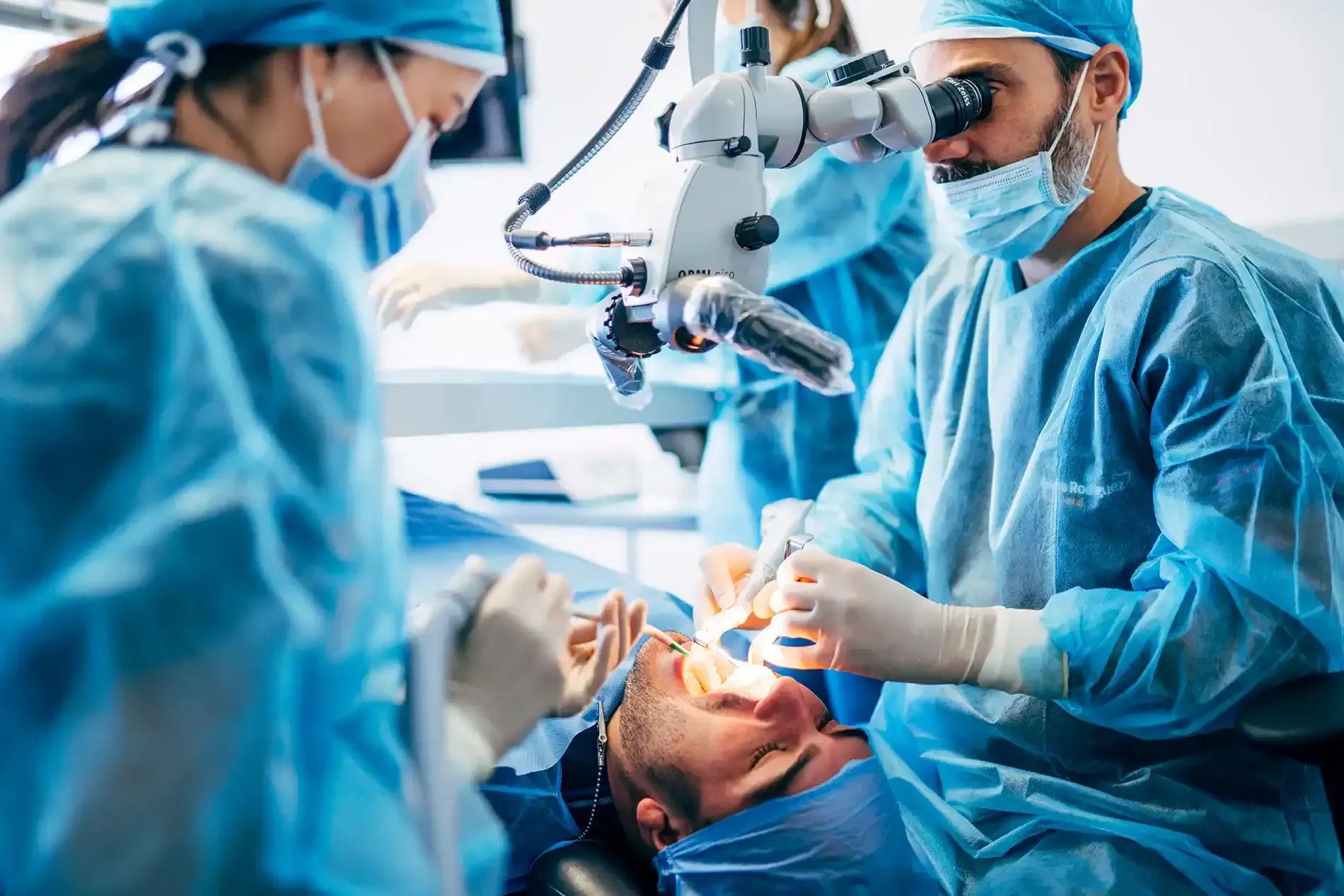
Oral surgery North York is a vital part of modern dentistry that helps restore the health and function of your teeth, gums, and jaw. From tooth extraction to advanced dental surgery, these procedures are designed to improve comfort, prevent complications, and preserve your natural smile.
Advanced treatments
Restorative Surgical Dental Care
At our clinic, we offer oral surgery treatment focused on long-term health and comfort. Whether you need one tooth removed or more complex restorative oral surgery, our team provides personalized, precise, and patient-centred surgical dental care.
Using modern technology and minimally invasive methods, our oral surgery dentist helps restore function, prevent further damage, and support the natural look of your smile. Every step is guided by safety, comfort, and lasting results.
Expert surgical care
Comprehensive Oral
Surgery Services
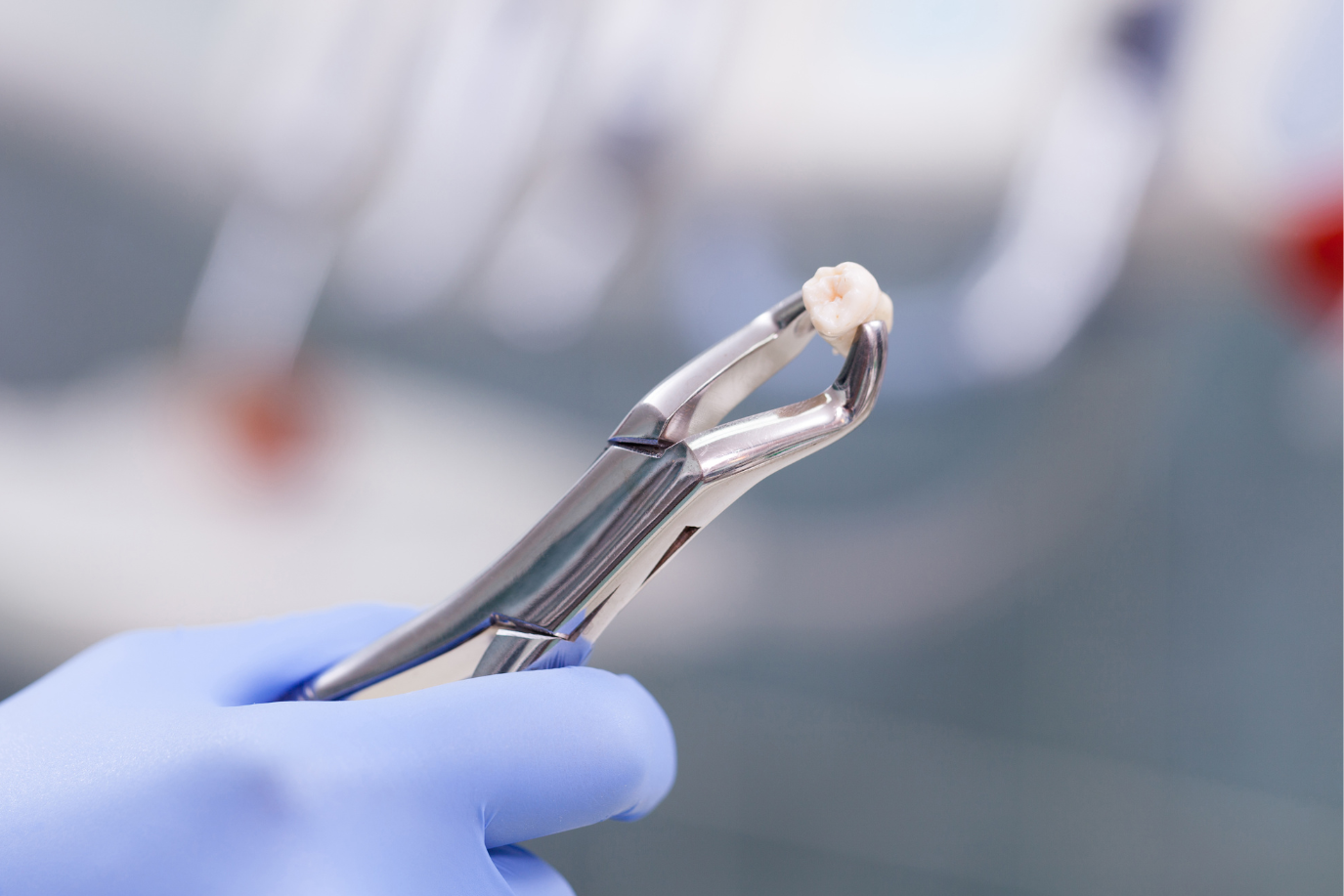
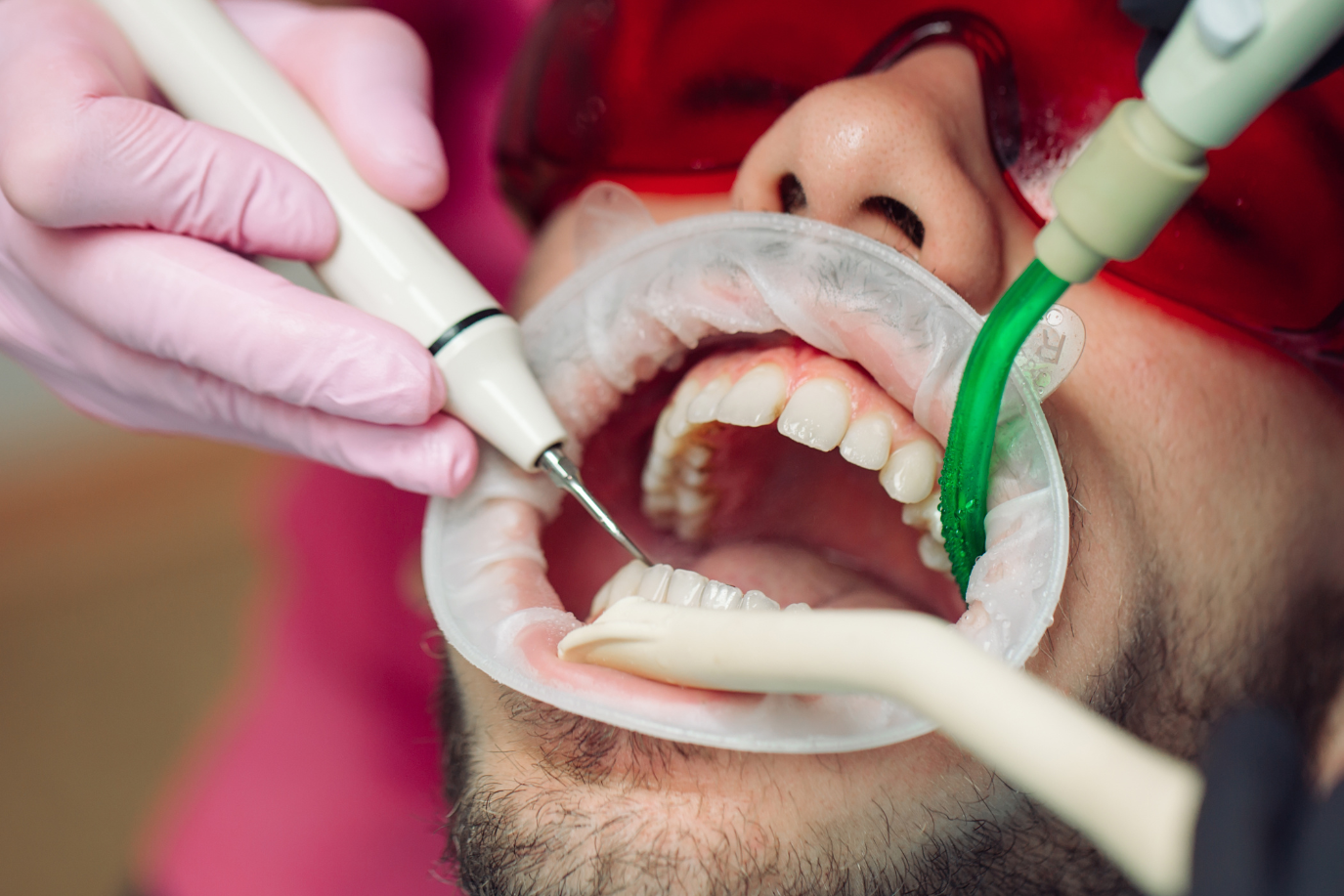
Tooth Extractions
Tooth extraction North York may be recommended when a tooth is severely damaged, decayed, or causing crowding. Our tooth removal dentist uses modern techniques to support comfort and healing.
Dental Implant Surgery
Dental implant surgery North York replaces missing teeth with titanium posts that act as artificial roots. These advanced dental implant procedures support crowns, bridges, or dentures.
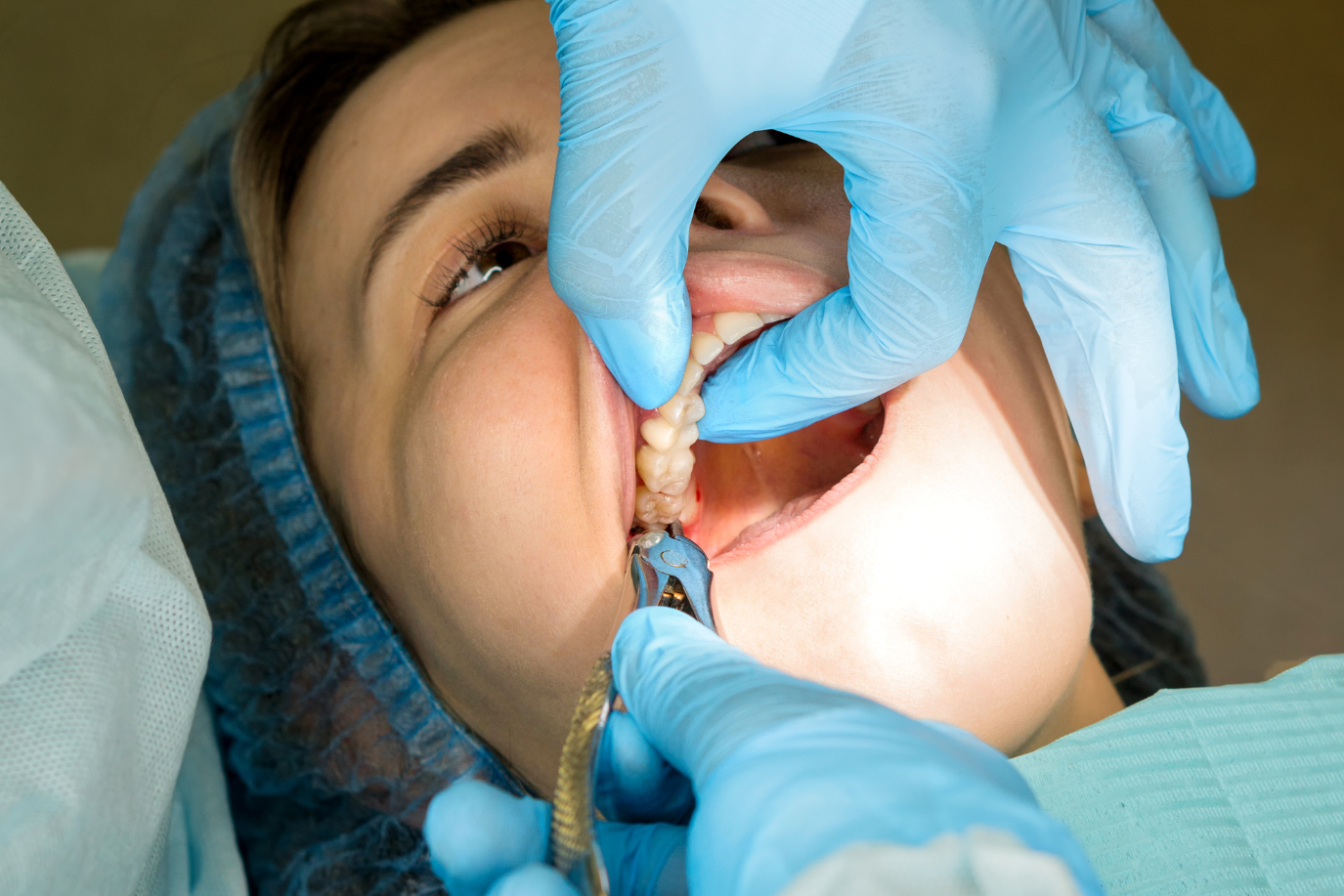
Wisdom Teeth Removal
Wisdom tooth surgery may help prevent pain, crowding, infection, and long-term bite problems. Our team provides careful impacted tooth removal when wisdom teeth cannot erupt properly.
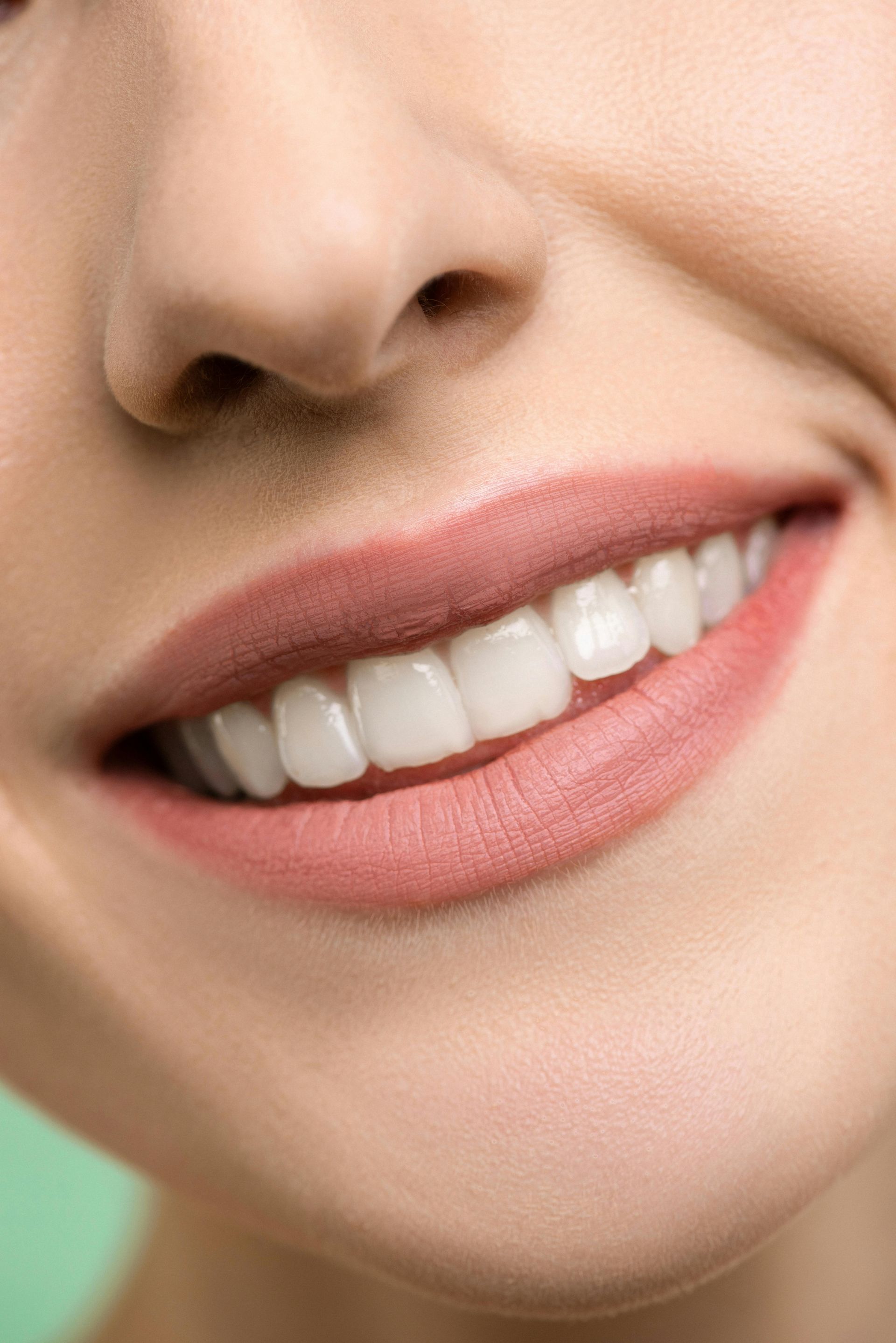
Crown Lengthening
Crown lengthening reshapes gum and bone tissue to expose more tooth structure. It may support crowns or improve the look of a gummy smile.
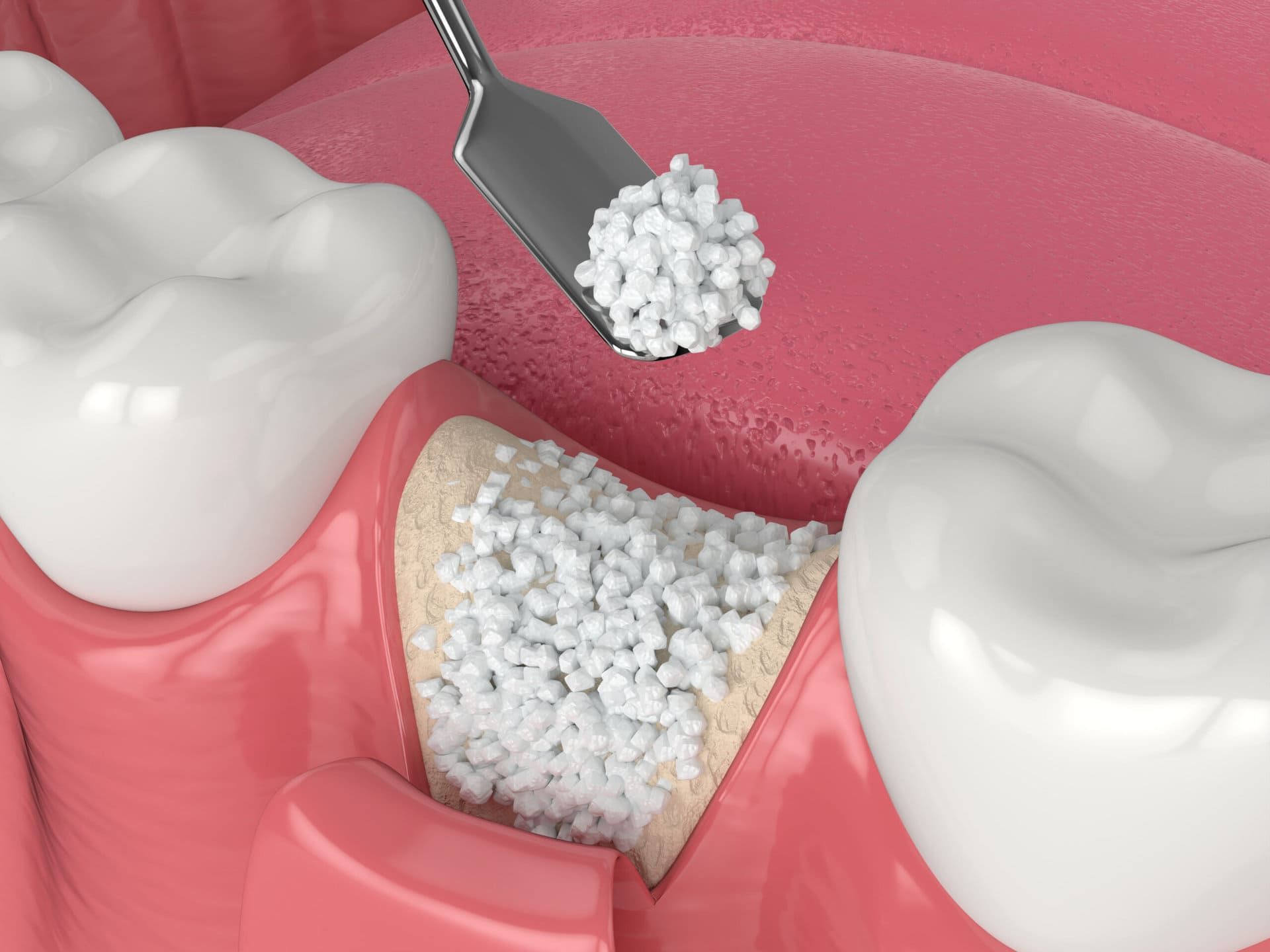
Bone Grafts
Bone grafting restores areas of jawbone loss caused by extraction, injury, or gum disease. It can help strengthen the foundation for dental implants.
Full Mouth Reconstruction
Full mouth reconstruction combines oral surgical procedures and restorative treatments. Each plan rebuilds function, comfort, and appearance.
ANSWERS TO COMMON QUESTIONS
Frequently Asked Questions
How do I know if I need oral surgery?
Oral surgery may be considered when a dental concern cannot be adequately managed with simpler treatment, or when surgery forms part of a tooth replacement plan. At Avenue Smiles Dental, we review your symptoms, examine your mouth, and recommend imaging when needed. We explain the proposed procedure, alternatives, and relevant risks before you decide how to proceed.
Will I need to see an oral surgeon or another specialist?
Some procedures can be performed by a general dentist, while others may require specialist care because of their complexity or your medical needs. Our North York dental team can assess your situation and explain who is best suited to provide treatment. If a referral is recommended, ask what it involves and how it fits into your overall care plan.
How should I prepare for an oral surgery appointment?
Provide an up-to-date list of medications, supplements, allergies, and medical conditions, and mention previous difficulties with anaesthesia or healing. Follow your treatment team’s instructions about food, drinks, and transportation. Do not stop prescribed medicines on your own. Preparation varies with the procedure and whether local anaesthetic, sedation, or another approach is planned.
How much time will I need to recover after oral surgery?
Recovery depends on the procedure, its complexity, your health, and the type of work or activities you normally do. Soreness, swelling, and temporary changes to eating may occur, and swelling can increase during the first few days. Ask our team about time off and activity restrictions before your appointment, and follow the recovery plan provided.
How should I clean my mouth after oral surgery?
Follow the instructions for your specific procedure, including when to resume brushing near the surgical area and whether rinses are recommended. After an extraction, avoid rinsing or forceful spitting during the first 24 hours unless instructed otherwise, as this can disturb the healing site. Ask our team to clarify anything you are unsure about before leaving.