





This April, Prioritize Your Oral Health with a Quick Screening

April 15, 2025
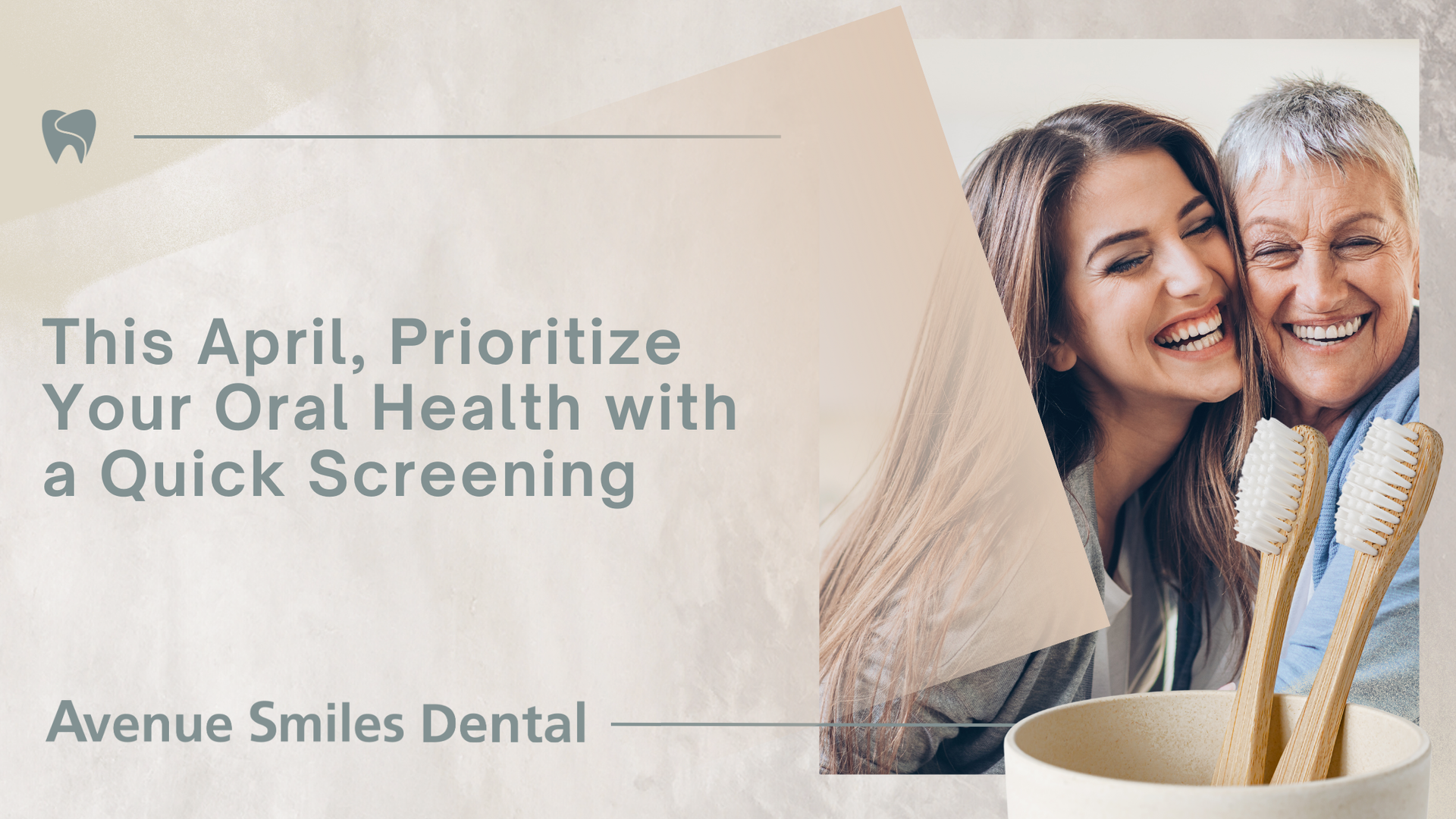
Two women smiling, holding toothbrushes, dental screening promotion.

Source:  Dr. Marketing


Oral cancer is a serious condition that can impact anyone, regardless of age or lifestyle. While it might not always be at the forefront of health concerns, the reality is that early detection through routine screenings can save lives. Oral cancer screenings are quick, painless, and often overlooked—but they play a crucial role in maintaining your overall health.
At Avenue Smiles Dental in North York, we are committed to preventive care. This blog explores the importance of oral cancer screenings, how they work, and seven compelling reasons why you should make them a priority.


Why Is Oral Cancer Screening Important?

Torn black paper reveals


 Oral cancer  does not always show obvious signs in its early stages, making it difficult to detect without a professional screening. Often, by the time noticeable symptoms arise, the disease has progressed to more advanced stages, making treatment more challenging.
According to the Oral Cancer Foundation, approximately 54,000 Americans are diagnosed with oral or oropharyngeal cancer each year. Early detection through regular screenings significantly increases the chances of successful treatment and recovery.
Oral cancer screenings are not just for high-risk individuals; they are an essential part of routine dental care for everyone. Identifying potential issues early allows for timely intervention, which could ultimately save your life.


What Happens During an Oral Cancer Screening?

Woman smiling in a dental chair; bright lighting, light blue and white dental equipment visible.


 Oral cancer screenings are simple and non-invasive, often performed during routine dental checkups.
  • Visual Examination : Your dentist examines your mouth, throat, gums, tongue, and lips for any visible signs of abnormalities such as sores, lumps, or discoloration.
  • Physical Check : Using gloved hands, your dentist gently feels around your jaw, neck, and inside your cheeks to detect any unusual masses or tenderness.
  • Special Tools (if needed) : Some screenings may involve special lights or dyes to identify abnormalities that are not visible to the naked eye.

The entire process typically takes only a few minutes but can provide invaluable insights into your oral health.


7 Reasons You Should not Ignore Oral Cancer Screenings

Man in grey shirt, seated, looking upwards with hand on chin, thinking. Light background.


Oral Cancer Can Affect Anyone


It is a common misconception that oral cancer only affects smokers or heavy drinkers. While these are significant risk factors, anyone can develop oral cancer. Genetics, HPV infection, and even prolonged sun exposure (leading to lip cancer) can contribute to the condition. Screenings are vital for everyone, regardless of lifestyle or age, because they catch issues you might not even know exist.

Early Detection Saves Lives


The earlier oral cancer is detected, the higher the chances of successful treatment. When caught in its early stages, oral cancer has an 84% five-year survival rate. However, late-stage diagnosis reduces this significantly. Regular screenings ensure that any abnormalities are identified and addressed promptly, potentially saving your life.

You Might Not Notice Symptoms Yourself


Oral cancer symptoms often appear in areas of the mouth that are difficult to see or feel, such as the back of the throat or under the tongue. Even if  symptoms  do arise—like a persistent sore or lump—you might not connect them to a serious condition. Professional screenings go beyond what you can self-diagnose, using specialized techniques to identify potential concerns.


Pile of tobacco with two rolled cigarettes on a wooden surface.


Tobacco and Alcohol Use Increase Risk


If you use tobacco or consume alcohol frequently, your risk of developing oral cancer is significantly higher. These substances irritate and damage the cells in your mouth and throat, increasing the likelihood of abnormal changes. Regular screenings are especially important for individuals with these risk factors, as they provide an opportunity for early detection and intervention.

HPV and Its Role in Oral Cancer


Human papillomavirus (HPV) has become one of the leading causes of oropharyngeal cancer, which affects the back of the throat, base of the tongue, and tonsils. HPV-related oral cancers are often diagnosed in younger individuals and may not present noticeable symptoms early on. Screenings help identify subtle changes that could indicate HPV-related abnormalities, providing peace of mind and an opportunity for early treatment.

Persistent Symptoms Should not Be Ignored


Have you noticed a sore that will not heal, a lump, difficulty swallowing, or chronic hoarseness? These symptoms might seem minor but could indicate something more serious. Even if these signs are not caused by cancer, it is essential to investigate them through a professional screening to rule out underlying issues.

It is Quick, Easy, and Painless


There is no reason to avoid an oral cancer screening. The process is non-invasive and takes only a few minutes during your routine dental visit.
At Avenue Smiles Dental in North York, we ensure your screening experience is thorough yet comfortable, making it a seamless part of your oral health routine.


Who Is at Risk for Oral Cancer?

Woman shielding eyes from sun. Blue sky, topknot hairstyle, and swimsuit.


 While oral cancer can develop in anyone, certain factors increase your risk:
  • Age : Oral cancer is more common in individuals over 40, but younger people with HPV are increasingly affected.
  • Tobacco Use Smoking or chewing tobacco  significantly raises your risk.
  • Alcohol Consumption : Excessive drinking is another major risk factor.
  • Sun Exposure : Prolonged exposure to UV rays can lead to lip cancer.
  • HPV Infection : Human papillomavirus is a growing cause of oropharyngeal cancers.
  • Poor Diet : A diet low in fruits and vegetables may also contribute to an increased risk.

If any of these factors apply to you, regular screenings are even more critical.


How Often Should You Have an Oral Cancer Screening?

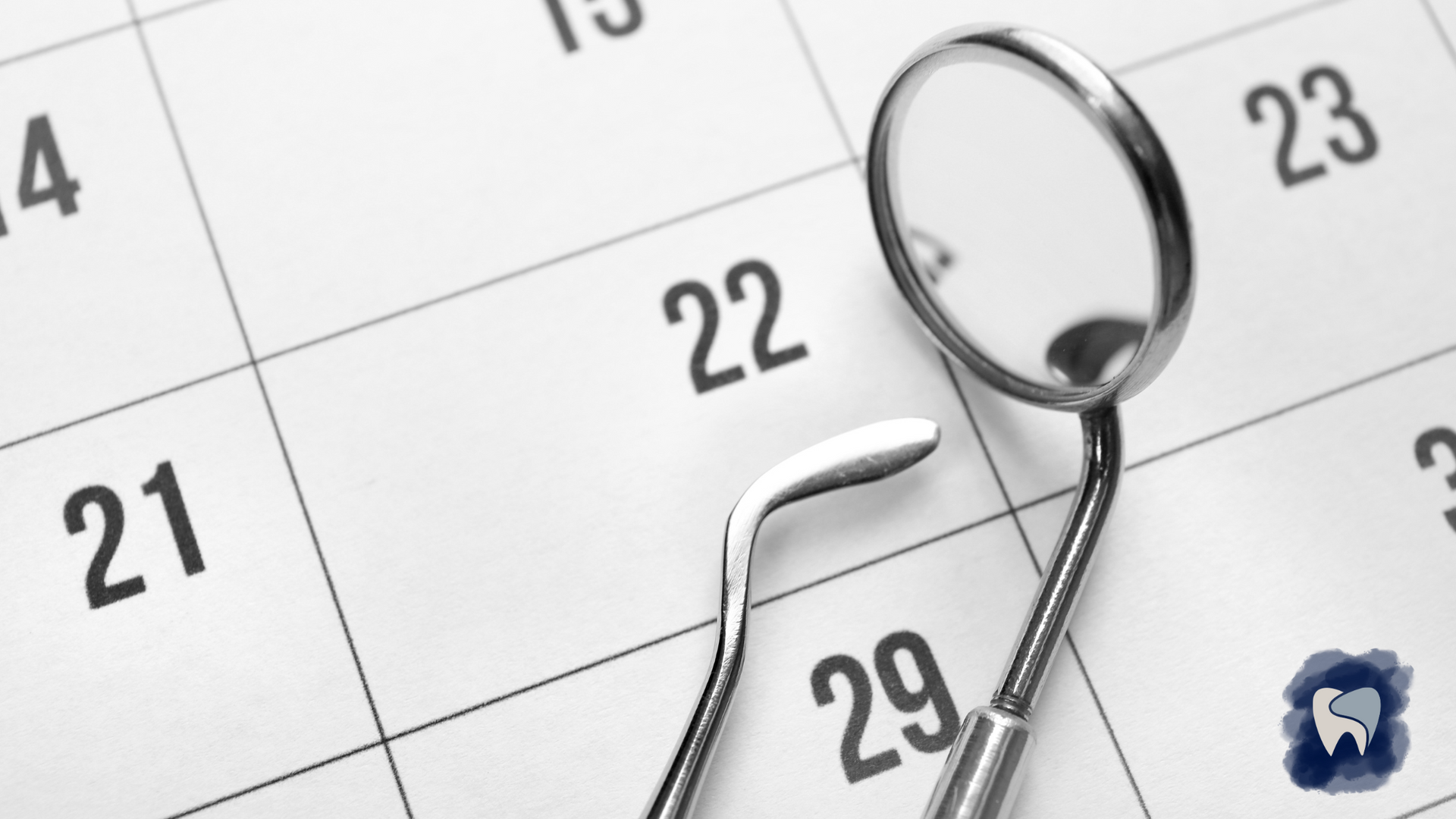
Dental mirror and pick resting on a calendar, focused on the date 22.


Oral cancer screenings are typically performed annually during routine dental checkups. However, if you have higher risk factors—such as tobacco use or a history of HPV—your dentist may recommend more frequent screenings.
At Avenue Smiles Dental in North York, we assess your unique situation and tailor our recommendations to ensure you receive the best preventive care.

What Happens If Something Is Found?


If your dentist identifies an abnormality during the screening, they will discuss the next steps with you. This may include:
  • A biopsy to test the abnormal tissue.
  • Referrals to specialists for further evaluation.
  • Additional tests to confirm a diagnosis.

While it is natural to feel anxious, remember that most abnormalities are not cancerous. The goal of  screenings  is to identify potential issues early, giving you the best chance of successful treatment if needed.


A Partnership in Preventive Care

Woman and man smiling, close together. Man has arm around woman. They are indoors.


We view oral cancer screenings as an integral part of your overall health. By prioritizing prevention and education, we help our patients stay informed and proactive about their health. Our team is dedicated to creating a comfortable and welcoming environment, ensuring that every screening is a positive experience.
Whether you are scheduling your first screening or maintaining a routine, we are here to guide you every step of the way. Oral cancer screenings are a simple yet powerful tool in protecting your health. By identifying potential issues early, they provide peace of mind and a proactive approach to care. At Avenue Smiles Dental, located in North York , we are committed to helping you stay ahead of oral cancer and other health concerns. Do not wait for symptoms to appear— schedule your next screening today  and take an essential step toward safeguarding your health and well-being.


Share

Related Posts

Four smiling children, text overlay
April 1, 2025
White spots on kids’ teeth may be early signs of decay, fluorosis, or enamel issues. At Avenue Smiles Dental, located in North York, we provide early detection and treatment to protect growing smiles. Our personalized approach helps ensure healthy teeth and confident smiles. Book an appointment today for expert pediatric dental care.
Man pointing at text:
March 15, 2025
Can you fix a chipped tooth at home? Discover why DIY repairs often do more harm than good and why professional dental care is essential for safe, lasting results. At Avenue Smiles Dental in North York, we offer expert solutions to restore your tooth’s strength, function, and appearance. Protect your smile by choosing safe, professional treatment.

Woman smiling, promotional graphic for pre-Invisalign dental care. Text:
March 1, 2025
Invisalign is a great way to straighten your teeth, but untreated cavities, gum disease, or missing teeth can interfere with your results. At Avenue Smiles Dental in North York, we ensure your smile is in top shape before beginning treatment. Learn what pre-treatment dental work may be needed for a successful Invisalign experience.

Show More
Four smiling children, text overlay
April 1, 2025
White spots on kids’ teeth may be early signs of decay, fluorosis, or enamel issues. At Avenue Smiles Dental, located in North York, we provide early detection and treatment to protect growing smiles. Our personalized approach helps ensure healthy teeth and confident smiles. Book an appointment today for expert pediatric dental care.
Man pointing at text:
March 15, 2025
Can you fix a chipped tooth at home? Discover why DIY repairs often do more harm than good and why professional dental care is essential for safe, lasting results. At Avenue Smiles Dental in North York, we offer expert solutions to restore your tooth’s strength, function, and appearance. Protect your smile by choosing safe, professional treatment.
Woman smiling, promotional graphic for pre-Invisalign dental care. Text:
March 1, 2025
Invisalign is a great way to straighten your teeth, but untreated cavities, gum disease, or missing teeth can interfere with your results. At Avenue Smiles Dental in North York, we ensure your smile is in top shape before beginning treatment. Learn what pre-treatment dental work may be needed for a successful Invisalign experience.

Show More
Four smiling children, text overlay
April 1, 2025
White spots on kids’ teeth may be early signs of decay, fluorosis, or enamel issues. At Avenue Smiles Dental, located in North York, we provide early detection and treatment to protect growing smiles. Our personalized approach helps ensure healthy teeth and confident smiles. Book an appointment today for expert pediatric dental care.
Man pointing at text:
March 15, 2025
Can you fix a chipped tooth at home? Discover why DIY repairs often do more harm than good and why professional dental care is essential for safe, lasting results. At Avenue Smiles Dental in North York, we offer expert solutions to restore your tooth’s strength, function, and appearance. Protect your smile by choosing safe, professional treatment.
Woman smiling, promotional graphic for pre-Invisalign dental care. Text:
March 1, 2025
Invisalign is a great way to straighten your teeth, but untreated cavities, gum disease, or missing teeth can interfere with your results. At Avenue Smiles Dental in North York, we ensure your smile is in top shape before beginning treatment. Learn what pre-treatment dental work may be needed for a successful Invisalign experience.
Show More